
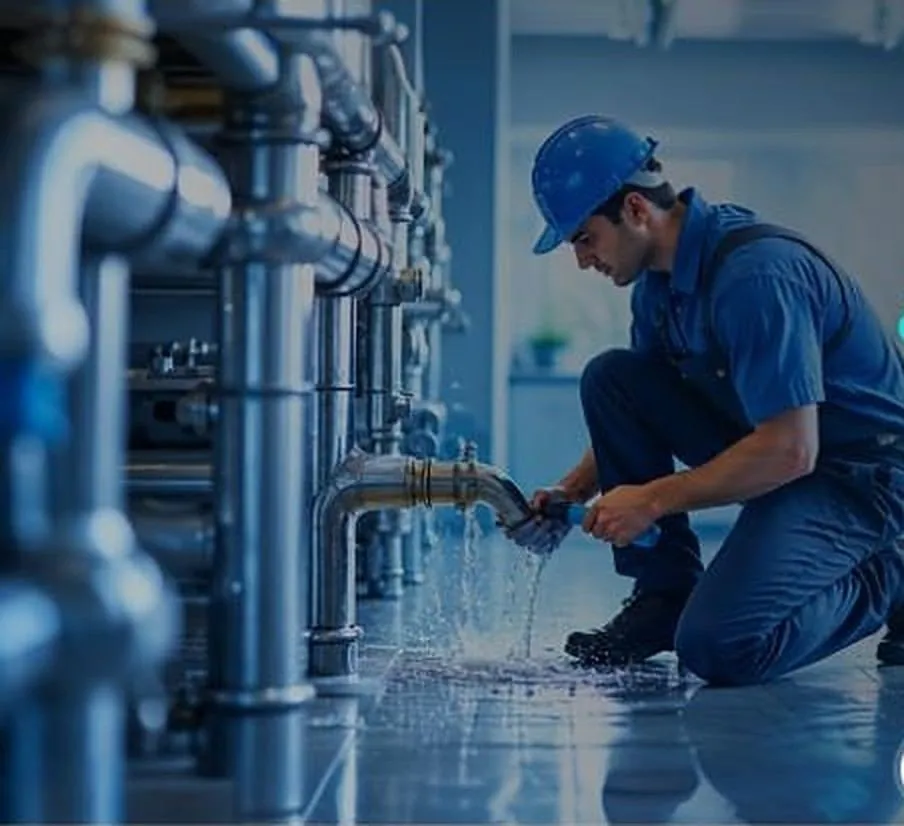
Under-tile water leak detection devices
The environmental and economic challenge
Water leaks are both an environmental and an economic problem affecting many buildings and homes. A leak under the tiles can cause structural damage and health problems such as mould.
Why early detection is essential
Finding a leak early can save you a great deal in repairs and maintenance. Leak detection devices help avoid physical damage and lead to quick solutions.
How can a leak be invisible?
Leaks often happen under the floor or inside walls, where they cannot be seen. This is where modern detection devices come in, locating the leak precisely.
The effects on health and structure
Left untreated, a leak can cause health problems such as allergies and asthma because of mould, and it can weaken the building’s structure.
Why use an under-tile leak detection device?
Leak detection devices save time and effort. Instead of breaking tiles to look for the problem, the devices pinpoint it, so the right action can be taken quickly.
Types of under-tile leak detection devices
Acoustic detectors
These devices listen for the sound of escaping water. Professionals use them to locate the leak precisely by picking up abnormal sounds.
Thermal imaging devices
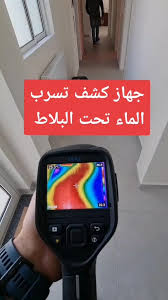
These devices use infrared imaging to detect temperature changes that may be caused by a leak. They show areas with a temperature difference, helping to locate the leak.
Ground-penetrating radar
Radar devices detect changes in density and materials under the tiles. This technique can reveal leaks and structural changes without removing the tiles.
Moisture meters
These devices measure moisture levels in walls and floors. An unexplained rise in moisture can be evidence of a leak.
Internal inspection cameras
These devices use small cameras that can be inserted into pipes or gaps to find leaks. They are especially useful where the leak is hard to reach.
How leak detection devices are used
Identifying the problem
The first step is to identify the main problem. Has the water pressure changed? Is there excess damp in one area? These questions guide the detection process.
Choosing the right device
Once the problem is identified, the most suitable device is chosen, depending on the nature of the leak and where it is expected to be.
Carrying out the inspection
The professionals then carry out the inspection. This can take some time, as several areas may need to be checked to locate the leak precisely.
Analysing the results
The results are analysed to assess how serious the leak is and what is needed to repair it. This can include reviewing acoustic data, thermal images or other readings.
Taking the right action
Once the leak is located, the professionals can start the repair — fixing the pipes, replacing tiles or, in some cases, rebuilding parts of a wall.
The benefits of leak detection devices
Cost savings
Leak detection devices can save a lot of money that would otherwise go on extensive repairs. Instead of breaking tiles at random, the devices pinpoint the location.
Protecting the structure
Early detection protects the building’s structure from damage. A long-running leak can be very harmful to a building if it is not dealt with properly.
Protecting your health
Finding and treating leaks prevents mould and fungi, which can harm the health of the people living there.
Saving time
Instead of spending hours looking for the source of the leak, the devices find it quickly and accurately.
Less environmental damage
Leaks damage materials and infrastructure, creating extra waste and environmental impact. Early detection helps reduce this.
The challenges of leak detection devices
Initial cost
Leak detection devices can be expensive, which is a challenge for individuals and small businesses — one reason it makes sense to use a specialist company rather than buying them. The savings on future repairs make the investment worthwhile.
Specialist skills
Some devices need special skills to operate and to interpret the readings, so training and experience matter.
Relying on technology alone
Results can sometimes be misleading if they rely entirely on the technology, so a manual check is sometimes needed to confirm them.
Keeping up with technology
Detection devices need regular updates to stay effective and up to date with the latest technology.
Site conditions
Conditions such as noise or high temperatures can affect the performance of some devices and lead to inaccurate results — which is why experience in reading the results is so important.
Conclusion: why early leak detection matters
Protecting safety and resources
Early leak detection helps protect public safety and resources. A leak can cause serious damage if it is not dealt with quickly.
Economic value
By finding leaks early, you save money in the long run by avoiding extensive repairs and limiting the impact on the structure.
Protecting the environment and health
Early detection helps protect the environment and reduces the chance of mould and fungi, supporting public health.
Investing in technology
Despite the challenges, modern leak detection is a smart choice. These devices provide effective, accurate solutions and help reduce potential damage.
Towards a safer future
By relying on modern leak detection and the skills to use it, water leaks become a problem that can be controlled effectively.