
Why inspecting buildings for water leaks matters
Inspecting buildings for water leaks is vital to keep them safe and well maintained. Leaks can cause serious damage, so regular inspections are an important step in avoiding the problem.
Keeping buildings safe and preventing leaks
Keeping buildings safe and preventing leaks is extremely important. A water leak can cause serious damage to a building and, in very severe cases, can even contribute to structural failure. That is why buildings should be inspected regularly and the necessary steps taken to prevent leaks.
How leaks affect a building’s structure
Leaks affect the structure of a building: over time they can corrode foundations and load-bearing columns, putting the building at risk.
The damage caused by water leaks
Leaks damage the walls and floors of a building and pose a risk to the health of the people living in it and to indoor air quality, as well as to the structure itself.
The effect on walls and floors
Leaks discolour and damage paint, and damage the walls and floors of rooms. Over time this reduces the strength of the affected parts of the building.
The effect on health and indoor air
Leaks can affect residents’ health because mould and fungi thrive in damp conditions, and they reduce the quality of the air inside the home. That is why any leak should be inspected and repaired, to protect the people living there.
Why leak inspections matter
Inspecting buildings for leaks is essential to prevent damage and its effects on people’s health and air quality. It also protects the building and its structure, and helps uncover potential problems before they develop.
How leaks are found in buildings
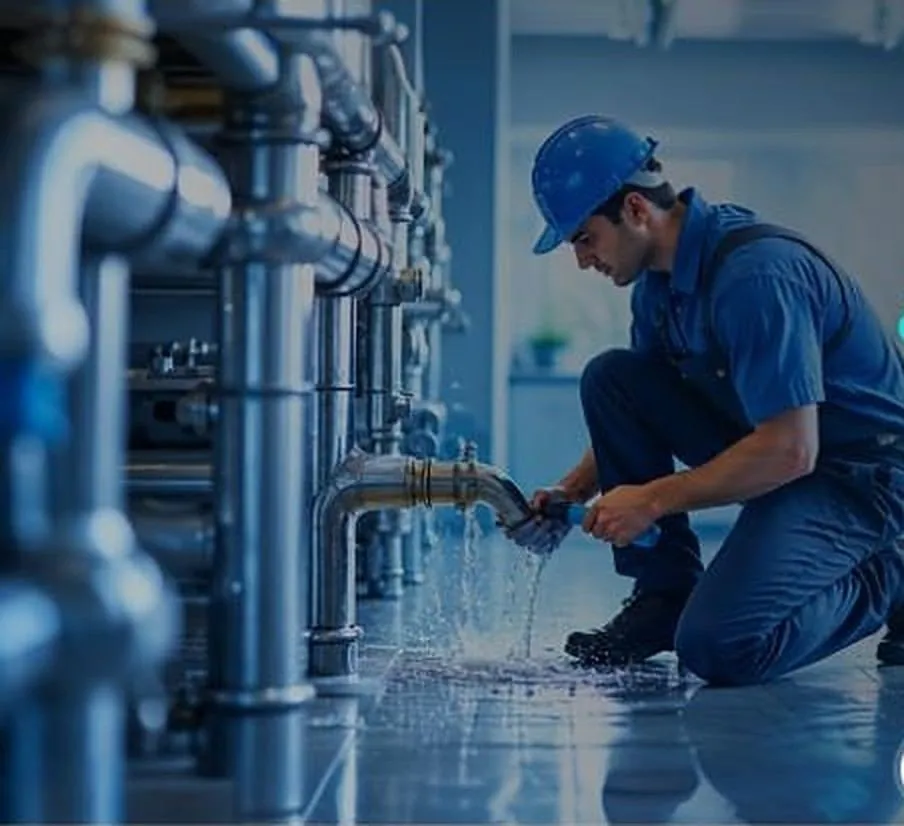
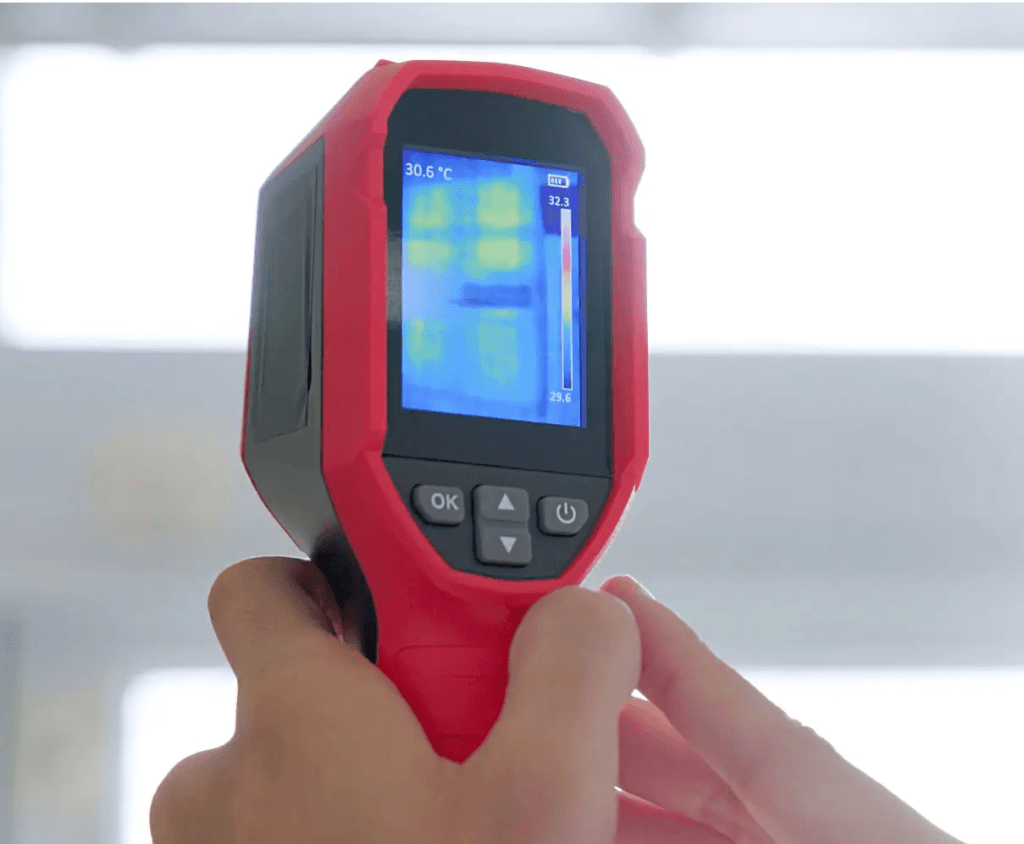
The traces of a leak in homes and buildings can be found by looking for damp patches or changes in the colour of paint on walls and ceilings. Pipes and valves can also be inspected for leaks, and thermal cameras or ultraviolet detection can be used to find the source.
Leak inspection technologies and tools
Many technologies and tools are available for finding leaks in buildings, including thermal cameras, ultraviolet detection and ultrasonic devices to locate the source. Pressure tests are also used to trace where the water is escaping.
The best ways to tackle water leaks
Leaks can be tackled by repairing corroded pipes and improving the building’s waterproofing.
Repairing leaking pipes
Leaks can be fixed by repairing corroded pipes — fitting new seals or replacing damaged sections — so that water flows freely without leaking and the building’s structure is protected.
Improving waterproofing
A building’s waterproofing can be improved by adding extra layers of waterproofing materials and applying waterproof coatings to walls and roofs. Waterproofing should also be renewed when it wears out or when leaks get worse.
Groundwater and its effect on leaks
Groundwater plays a significant role in how much water reaches a building, as the amount of water in the ground can affect damp levels and damage walls and surfaces.
Rainwater and ground moisture
Rainwater raises the amount of water in the ground and increases the likelihood of water getting into buildings.
Common faults that lead to leaks
Poor construction practice and design flaws are among the faults that lead to leaks in buildings. Corroded materials and a lack of maintenance on pipes and wall coverings also cause leaks.
Poor construction and design flaws
Ignoring building standards and the necessary protection measures leads to design failures and leaks.
Corroded materials
Corrosion of the materials used in pipes and tanks degrades them and causes leaks, which can lead to accidents and serious damage to the building.
How to prevent water leaks
- Keep the ground around the building dry: avoid water collecting near foundations and walls.
- Install proper drainage: make sure rainwater and wastewater drain away from the building.
- Design for leak resistance: modern building design includes waterproofing from the start.
- Use durable materials and seals: good-quality pipes, joints and sealants prevent leaks.