
Excess damp in the home is a fundamental issue that affects quality of life and the safety of the building. Some people think of damp as a purely cosmetic problem, but it carries serious structural, health and financial risks. In this detailed article we look at what happens when damp is not controlled, the main causes of the problem, the challenges that come with it and the practical solutions that limit its effects.
1. What causes high humidity?
1.1 Internal sources of damp
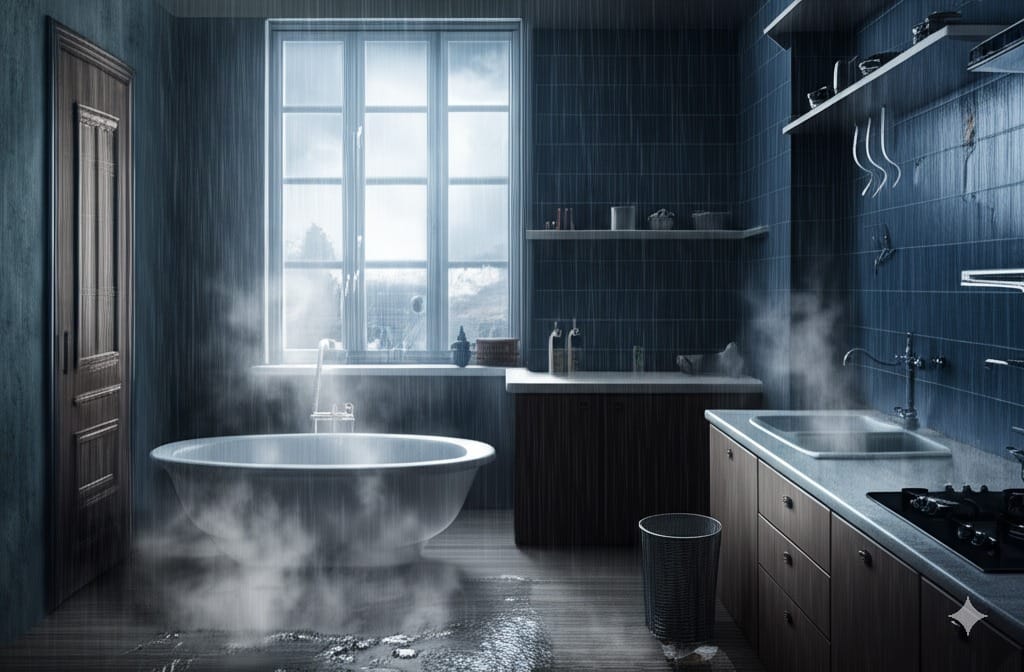
Damp in the home comes from several internal factors, including:
- Water vapour: steam from the kitchen and bathrooms without enough ventilation.
- Air conditioning and heating: air conditioning can contribute to condensation when temperatures drop, and old heating systems may not keep heat and humidity evenly balanced.
1.2 External sources of damp
Damp can also come from outside, for example:
- Heavy rain and roof leaks: water leaking through the roof or external walls can raise humidity levels inside the home.
- Humid areas: in some areas, the climate itself is the main reason humidity is high inside buildings.
2. The structural effects on homes

2.1 Deterioration of building materials
Persistent damp leads to:
- Corroded concrete and steel: damp affects the strength of the foundations and walls, weakening the building’s structure.
- Damaged paint and surfaces: constant exposure to damp causes peeling paint and cracked surfaces that need regular maintenance.
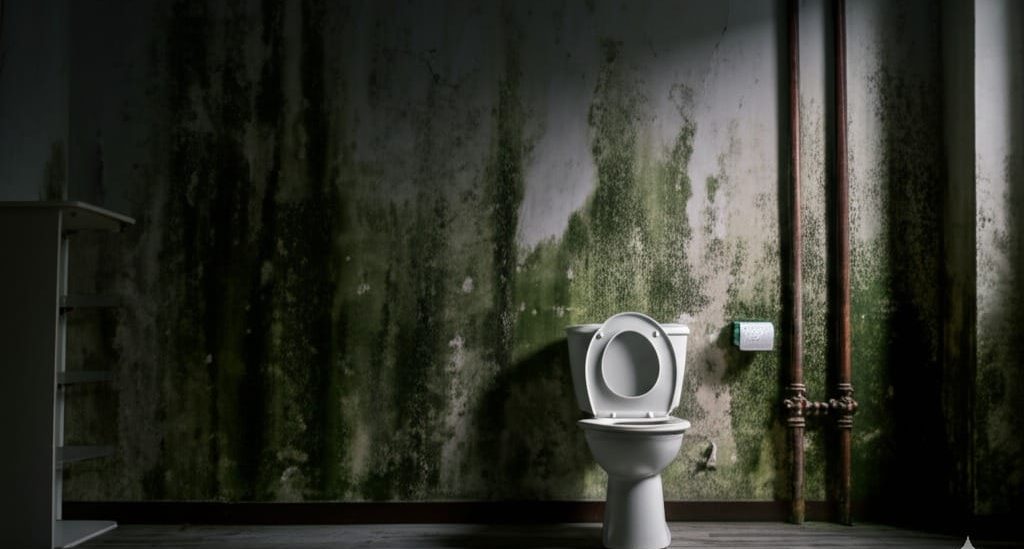
2.2 Mould and fungus
Mould and fungus are not just cosmetic — they also harm the structure:
- Damaged walls and floors: mould breaks down building materials and may mean parts of the walls or floors have to be replaced.
- Weaker insulation: damp reduces the performance of waterproofing and thermal insulation, increasing energy use and causing further problems in the building.
3. The health risks for residents

3.1 Effects on the respiratory system
Exposure to damp and mould is one of the main causes of respiratory problems:
- Allergies and asthma: dust and mould spores in the air increase allergic reactions and asthma attacks, especially in children and the elderly.
- Respiratory infections: damp can lead to a build-up of germs and bacteria that cause chronic infections.
3.2 Effects on general health
The health risks are not limited to breathing:
- Skin problems: contact with mouldy surfaces can cause irritation and allergies.
- Psychological effects: living in a damp, mouldy environment can cause discomfort and stress, affecting quality of life.
4. The financial burden

4.1 Higher maintenance and repair costs
Ignoring damp leads to:
- Higher maintenance costs: structural problems get worse over time and need extensive maintenance and replacement of damaged materials.
- A drain on your finances: emergency repairs can end up costing far more than preventive maintenance.
4.2 Lower property value
Properties with damp problems lose market value:
- Harder to sell: buyers prefer to avoid properties with signs of mould and damp.
- A damaged reputation: chronic problems affect the building’s reputation and make it less attractive to investors.
5. Environmental and social effects

5.1 Wasted natural resources
High humidity can be a sign of wasted water, especially in water-scarce areas:
- Water waste: leaking and collecting water wastes precious resources and adds to the pressure on the environment.
- Pollution: leaking water can carry contaminants that affect the soil and the surrounding air.
5.2 The effect on community life
Damp-related problems can affect the wider community:
- Poorer housing conditions: widespread damp and mould lower the quality of life in a neighbourhood and may push residents to move in search of a healthier home.
- Added stress: recurring housing problems can create tension and worry among residents.
6. Practical solutions and prevention
6.1 Better ventilation
Some of the most important steps to reduce damp:
- Extractor fans in kitchens and bathrooms: to remove water vapour before it builds up.
- Modern air-conditioning systems: to keep humidity balanced inside the home.
6.2 Damp-resistant building materials
The effects of damp can be reduced with:
- Advanced waterproofing materials: extra protection for roofs and walls against water ingress.
- Anti-mould paints: to delay mould and make maintenance easier.
6.3 Regular maintenance and inspections
Regular inspection of the building is essential to keep damp under control:
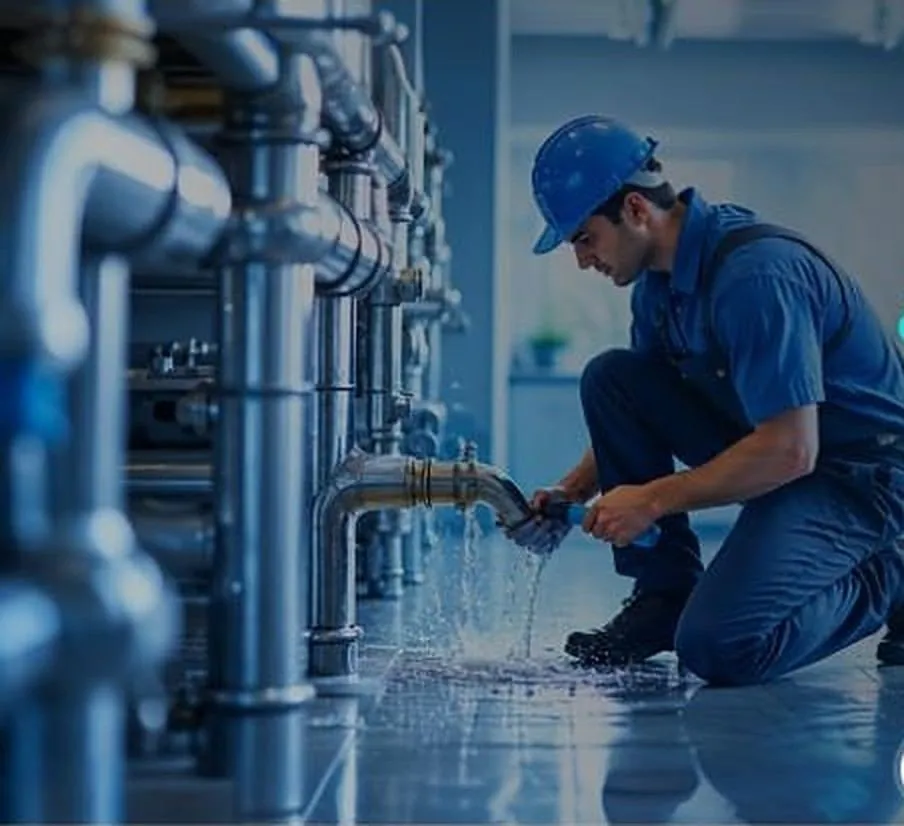
- Annual inspection: check all mechanical and structural systems regularly to make sure there are no leaks.
- Continuous monitoring: smart sensors can monitor humidity levels and alert residents when they rise abnormally.
6.4 Government and community action
Government bodies and the community play an important role in reducing damp problems:
- Strict building standards: engineering regulations that require damp-resistant materials and techniques.
- Awareness campaigns: spreading awareness of the risks of damp and the importance of regular maintenance.
Conclusion
Ignoring damp in the home can lead to a chain of structural, health and financial problems that seriously affect quality of life. With regular maintenance, modern technology and damp-resistant materials, these risks can be reduced and a safe, healthy home ensured. Investing in prevention and maintenance is not only an investment in your property — it is an investment in a healthy, safe future for your whole family.